Plan Ahead for Extra 10% Off
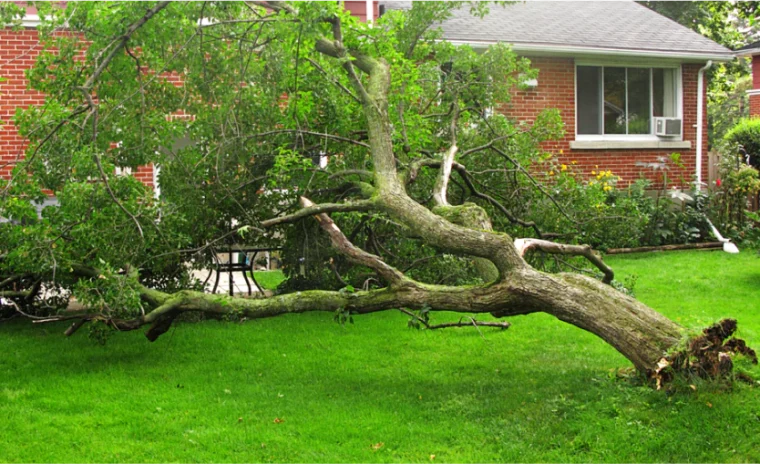
Spotting Visible Damage Indicators
The first step in evaluating whether a damaged tree can recover or requires removal is conducting a thorough visual inspection. Start by examining the bark along the trunk and major branches. Vertical cracks that penetrate deeply into the wood, particularly those wider than a quarter-inch, often indicate internal structural failure. Peeling or missing bark in large sections can signal disease or severe stress, especially if the exposed wood appears discolored or soft.
Pay close attention to cavities and hollow areas in the trunk. While small holes created by woodpeckers are typically harmless, large cavities that extend more than one-third through the trunk’s diameter compromise the tree’s ability to support itself. In Little Falls and surrounding areas, winter freeze-thaw cycles can enlarge existing cracks, turning minor damage into major structural concerns by spring.
Check for significant leaning that wasn’t present before a storm or high winds. A sudden lean of more than 15 degrees often means root damage or soil heaving, both of which threaten stability. Look at the base of the tree for exposed roots, soil mounding on one side, or cracks in the ground radiating outward. Branch dieback in the upper canopy, where multiple limbs show no buds or leaves during the growing season, reveals that the tree is struggling to transport nutrients. If more than half the canopy is dead or dying, the tree’s chance of recovery diminishes significantly.
Evaluating Structural Integrity and Health
Once you’ve identified visible damage, the next step is assessing whether the tree retains enough structural integrity and vitality to justify preservation. Canopy density serves as one of the most reliable indicators of overall health. A tree with at least 50 percent of its canopy intact and showing active growth during the growing season generally has a good chance of recovery, provided the damage is localized rather than systemic.
Examine the root system as thoroughly as possible. While you cannot see underground roots without excavation, surface roots provide valuable clues. Mushrooms or fungal growth at the base of the tree often indicate root rot, which compromises stability and nutrient uptake. In central Minnesota, spring thaw can expose previously hidden root damage from winter frost heaving or soil saturation. Gently rock smaller trees to test for firmness; excessive movement suggests root failure.
Evaluate critical branch attachments, particularly where large limbs meet the trunk. Co-dominant stems with narrow, V-shaped angles are inherently weak and prone to splitting under snow load or wind stress. Look for bark inclusions where bark has grown between two stems, creating a weak union. If a major branch that comprises more than 40 percent of the canopy has failed or shows severe cracking at the attachment point, the tree’s structural integrity is compromised.
Consider the tree’s age and species. Younger trees with vigorous growth habits recover more readily from damage than mature or slow-growing species. Professional tree care services can help determine whether targeted pruning and cabling might extend the life of a structurally compromised but otherwise healthy tree.
Recognizing When Removal Becomes Necessary
Certain conditions make tree removal the only responsible choice, regardless of sentimental attachment or aesthetic value. Safety hazards take absolute priority. If a tree leans toward a structure, power lines, or high-traffic area and shows signs of root failure or trunk cracking, the risk of sudden collapse outweighs any benefit of keeping it. Trees damaged by severe storms in late spring, when full leaf canopies catch wind like sails, often sustain root damage that isn’t immediately visible but leads to failure weeks or months later.
Advanced disease that affects the tree’s vascular system typically cannot be reversed. Dutch elm disease, oak wilt, and emerald ash borer infestation are common in Minnesota and spread rapidly. If diagnostic signs such as wilting, premature leaf drop, or D-shaped exit holes appear, removal prevents the disease from spreading to nearby healthy trees. Fungal infections that cause extensive decay in the trunk’s heartwood eliminate the tree’s structural core, making it a liability even if the outer shell appears intact.
Structural failure risk becomes unacceptable when more than 50 percent of the trunk is decayed, when multiple large branches have failed, or when the tree has a history of dropping limbs without warning. Trees that have lost their tops in storms rarely regain a balanced canopy and often develop weak, fast-growing shoots that are prone to breakage. In areas like Little Falls and surrounding communities, where winter ice storms can add hundreds of pounds of weight to branches, structural weaknesses turn into imminent dangers.
If a tree’s root zone has been severed by construction, grading, or trenching that removed more than 30 percent of the root system, the tree cannot adequately anchor or feed itself. Similarly, trees struck by lightning often suffer internal damage that progresses over time, even when external signs are minimal.
Budget Planning and When to Seek Professional Assessment
Understanding the financial implications of tree removal versus treatment helps you make informed decisions. Removing a large tree typically costs between $800 and $3,000, depending on height, location, and complexity, while treating and preserving a damaged tree through pruning, cabling, or disease management may range from $300 to $1,500. However, cost comparisons must account for long-term risk. A tree that requires expensive ongoing maintenance to remain marginally safe often costs more over time than removal and replacement with a healthy young specimen.
Professional assessment becomes essential when damage severity is unclear or when safety risks are involved. Certified arborists use specialized tools such as resistograph drills and sonic tomography to measure internal decay that isn’t visible externally. They can accurately evaluate whether a tree’s remaining structure can support its weight and whether treatment options such as crown reduction, cabling, or root zone rehabilitation offer realistic chances of success. In situations involving property boundaries, utility lines, or insurance considerations, professional documentation provides necessary liability protection.
Consulting a professional is particularly valuable when trees are located near structures, when they exhibit subtle signs of decline that could indicate serious underlying problems, or when you’re weighing the decision between removal and significant investment in preservation efforts. Local tree care services familiar with regional conditions understand how Minnesota’s climate stresses affect different species and can provide realistic prognoses.
If you’re uncertain about a tree’s condition or concerned about safety risks, scheduling an assessment provides clarity and often prevents more costly emergency removals later. Professional evaluations typically include a written report detailing findings, recommendations, and cost estimates for all viable options. For difficult decisions involving valuable mature trees or complex situations, professional guidance ensures you choose the path that best protects both your property and your investment.
Making an Informed Decision About Your Tree’s Future
Understanding the financial implications of tree removal versus treatment helps you make informed decisions. Removing a large tree typically costs between $800 and $3,000, depending on height, location, and complexity, while treating and preserving a damaged tree may range from $300 to $1,500 for cabling, bracing, or targeted pruning. However, cost alone should never drive the decision when safety is at stake.
Professional arborists bring specialized diagnostic tools and experience that homeowners simply cannot replicate. They can conduct resistograph testing to measure internal decay, assess root plate stability, and identify disease pathogens that might not be visible externally. In Little Falls and surrounding areas, professionals familiar with Minnesota’s freeze-thaw cycles and storm patterns can spot damage indicators specific to our climate, such as frost cracks that may worsen over subsequent winters or root damage from saturated spring soils.
Schedule a professional assessment if you notice any combination of warning signs: multiple large dead branches, significant trunk lean, fungal growth near the base, or recent storm damage affecting more than one-third of the canopy. Additionally, trees near structures, power lines, or high-traffic areas warrant professional evaluation even when damage appears minor. The investment in a thorough assessment, typically $150 to $400, often prevents costly property damage or injury and provides documentation useful for insurance claims if removal becomes necessary.
If you’re facing a difficult decision about a damaged tree on your property, our team can provide a comprehensive evaluation and clear guidance on the safest, most cost-effective path forward. Contact us to schedule an assessment and receive a detailed report on your tree’s condition and recommended next steps.